
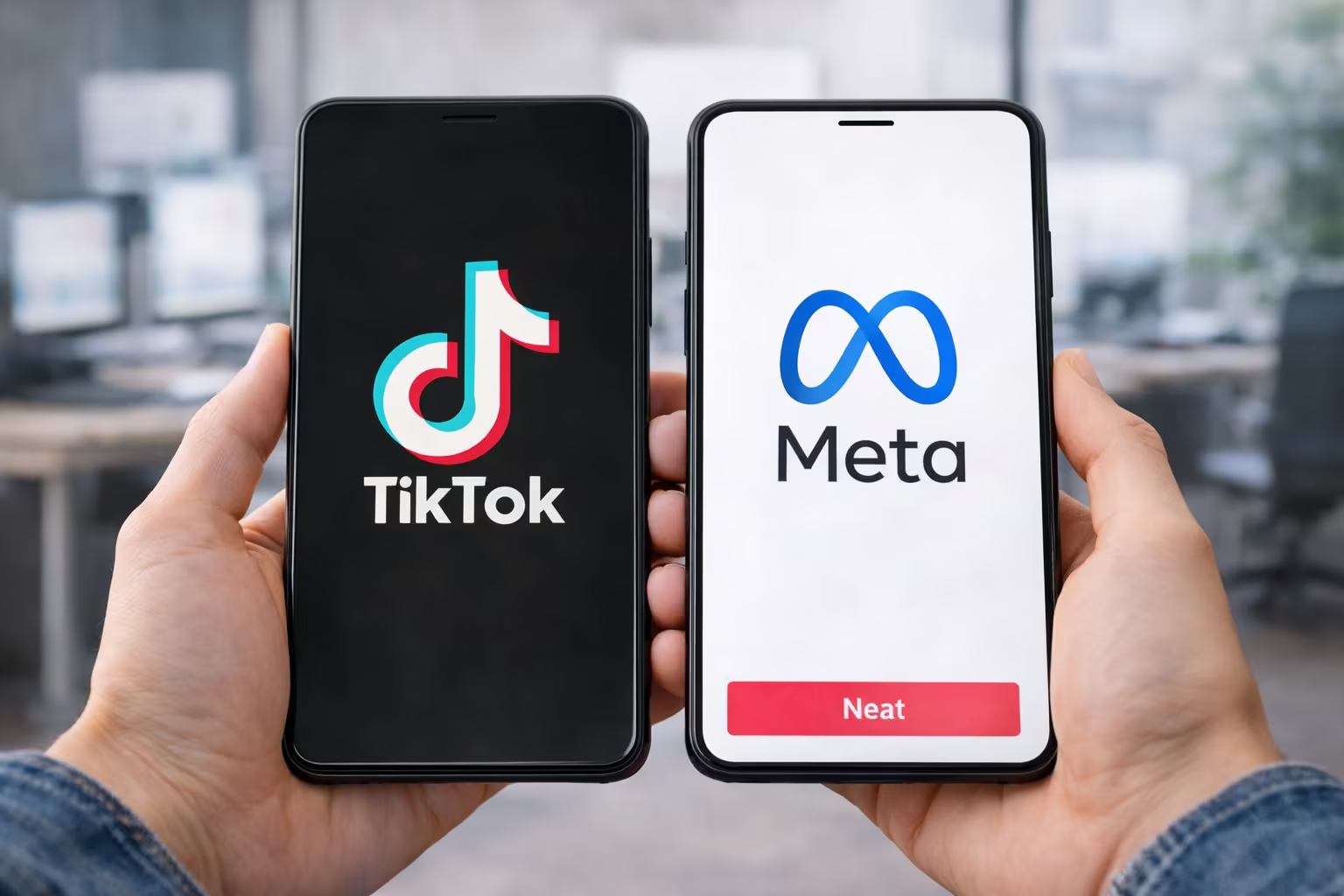
If you’ve been scrolling in the U.S., you’ve likely seen posts asking did Meta buy TikTok. The claim spreads fast, especially when a clip or screenshot looks like a “breaking” update. But a viral post is not the same as verified reporting.
This confusion is fueled by TikTok sale rumors and nonstop debate over a U.S. TikTok ban forced sale. When lawmakers talk about divestment, many people assume a deal is already in motion. That’s how the Meta TikTok acquisition story keeps getting recycled.
The idea also sounds believable because Meta vs TikTok is a real fight for attention, ads, and creators. Instagram Reels and Facebook video compete head-to-head with TikTok’s feed. Still, competition doesn’t prove ownership, and it doesn’t answer does Meta own TikTok.
In this guide, we’ll nail down TikTok ownership and explain the ByteDance owner structure behind it. You’ll also learn how real acquisitions get announced, what a forced sale would actually require, and how to spot claims that don’t hold up. By the end, you’ll know what matters most for users, creators, and brands.
Quick Answer: No, Meta Did Not Buy TikTok
If you’re looking for the quick answer, Meta did not buy TikTok. There’s been no sale or transfer of the app to Meta, despite what you might have heard online.
So, who owns TikTok? It’s still owned by ByteDance, its parent company in China. This ownership hasn’t changed.
In the United States, there’s a lot of confusion about policies. Lawmakers have talked about bans and selling TikTok, but these are just discussions. They don’t mean a deal has been made.
When a big company buys another, it leaves a clear trail. You would see official announcements from both companies. You’d also see filings with regulators and reports from big news outlets.
- Official press releases from Meta and ByteDance
- Regulatory and securities filings tied to the transaction
- Consistent confirmation across established financial newsrooms
The rumor about TikTok’s sale keeps going because it’s exciting. It fits the fast-paced world of news today. The next parts will explain how ownership works, what Meta can buy, and why policy debates cause confusion.
Did Meta Buy TikTok?
The rumor that Meta bought TikTok is common because it’s a simple story. But, big deals don’t stay secret for long. In the U.S., news of tech mergers is public, found in records and news updates.
Why This Rumor Keeps Coming Back
Meta and TikTok compete for attention. Instagram Reels looks like TikTok, leading some to think Meta owns TikTok. This misinformation spreads quickly.
Policy debates also fuel the rumor. When there’s talk of bans or selling TikTok, many think it’s already sold to Meta. Short videos and screenshots spread faster than accurate news.
What Would Have to Happen for a Deal Like This
A real sale needs a signed deal with ByteDance. It must include terms for TikTok’s U.S. operations and data controls. The Federal Trade Commission and Department of Justice would also review it.
The process is slow. Such a big deal needs antitrust approval and national security checks. There would also be formal disclosures, like a press release and SEC filings.
How to Spot Real Acquisition News vs. Viral Claims
To verify acquisitions, start with primary sources. Look for a press release from Meta or ByteDance. Then, compare it with reports from trusted business and tech outlets.
- Check the basics: a clear date, named companies, and consistent details across multiple reports.
- Look for documentation: mentions of SEC filings, regulator timelines, and defined deal terms.
- Watch for red flags: “breaking” claims built on screenshots, recycled headlines, or vague wording that never shows where the info came from.
When tech merger news pops up, take a moment. That pause can help you tell real news from misinformation.
Who Owns TikTok and How the Company Is Structured
TikTok is often seen as its own company. But, it’s actually part of a bigger group. This is why rumors about who owns it spread quickly. The truth is, ByteDance owns TikTok, and this hasn’t changed unless there’s a sale or spin-off.
The bigger picture affects how we understand news about TikTok. Terms like divestment and security reviews might sound like a change has happened. But, it hasn’t.
ByteDance Ownership Explained
ByteDance is TikTok’s parent company, founded in China. It has many digital products, with TikTok being one of the most famous. The parent company guides the overall direction, while each product runs its own day-to-day operations.
When it comes to ownership, there’s a clear line. TikTok isn’t owned by Meta or any other U.S. company just because it competes with them. Ownership changes only through a formal deal.
TikTok vs. ByteDance: What’s Separate and What’s Shared
It can be confusing to understand the difference between TikTok and ByteDance. TikTok is the app people use every day. ByteDance is the company that owns it and oversees other products.
In big companies, some work is done together, and some is local. Shared work includes strategy, governance, and technology. Local teams handle marketing, partnerships, and daily decisions that fit each area.
- Shared: platform investment, risk management, and high-level product direction
- Localized: creator programs, advertiser support, and community operations
Where TikTok Is Headquartered and How U.S. Operations Work
People wonder about TikTok’s headquarters because it affects trust and oversight. TikTok has global headquarters in Los Angeles and Singapore. ByteDance, the parent company, is in Beijing.
In the U.S., TikTok has sales teams, ad support, brand partnerships, and creator outreach. These activities make TikTok seem like a U.S. company, even though it’s owned by a foreign company.
Policy debates often focus on TikTok’s data privacy in the U.S. Lawmakers and regulators are concerned about data flow and access. When “TikTok U.S.” is mentioned in privacy discussions, it might seem like the app was sold to an American company. But, it’s more accurate to see it as a U.S. market presence under foreign ownership.
Meta’s Social Media Strategy and How It Competes With TikTok
Meta focuses on short videos across its apps to keep users engaged. This strategy aims to grab attention, sell ads, and increase time spent watching videos. The debate over Instagram Reels vs TikTok might seem like a battle for control, but it’s just normal competition in social media.
For brands, this rivalry affects where they spend their budgets and how they plan their campaigns. It’s more about which platform offers the best views, clicks, and sales at a good price.
Reels on Instagram and Facebook: Meta’s TikTok Rival
Reels is made to match the fast pace of vertical videos. Instagram Reels keeps viewers in a flow of clips. Facebook Reels, on the other hand, targets older audiences and community groups for strong engagement.
Meta uses tools like editing, music, and remix formats to make creating content easier. This approach is a strategy, not a sign of a merger or secret deal.
How Meta Uses AI Recommendations to Boost Short-Form Video
Discovery now relies on ranked feeds, not just who you follow. Meta AI looks at watch time, replays, shares, and topic interest to suggest content. This helps keep users engaged for longer.
This loop of recommended content is key to keeping sessions long. Longer viewing helps ads perform better and gives smaller creators a chance to reach more people.
Creator Tools, Monetization, and Why Influencers Cross-Post
Creators often post on multiple platforms. The TikTok creator economy is strong, but reach and payouts can change quickly. Meta’s options for creators are important as a backup and to boost earnings.
Cross-posting Reels on TikTok is common to spread risk and grow audience size. Many creators also post on YouTube Shorts to test content and keep brand deals steady.
- Diversified income: mixing platform bonuses, ads, brand partnerships, and affiliate sales
- Audience growth: reaching different age groups and interests across apps
- Campaign flexibility: helping agencies shift spend based on performance, not hype
From an advertiser’s perspective, choosing between TikTok and Meta is a practical decision. They compare creative fit, targeting, and results across Meta’s short-form video, TikTok, and other formats before deciding where to invest more.
Major Tech Acquisitions: What Meta Can Buy and What It Probably Can’t
Meta has made big moves to grow, but now the rules are stricter. People wonder if Meta could buy TikTok. They’re really asking if regulators would let such a big deal happen in a market dominated by a few big players.
Any talk of a quiet purchase hits a reality check. The process of getting regulatory approval would be loud, slow, and heavily challenged in the United States.
Meta’s Acquisition History (Instagram, WhatsApp, Oculus)
Meta’s strategy is clear through its past buys. Instagram helped Meta win in mobile photo sharing. WhatsApp expanded its messaging reach. Oculus brought an early lead in consumer VR.
These deals are still talked about in policy debates. They show how a big platform can buy its way to success instead of building it. This matters when officials review future deals under competition law social media standards.
Antitrust Scrutiny in the United States and Why It Matters
The U.S. has become more aggressive about big tech mergers. Meta faces antitrust concerns about deals. Officials worry about cutting off consumer choice, weakening new competitors, or tightening control of digital ads.
FTC Meta enforcement and DOJ antitrust tech pressure target consolidation. Buying a top short-form video rival would likely be seen as removing a direct competitive threat, not just adding another app.
Regulatory Roadblocks That Would Complicate a TikTok Purchase
Even if ByteDance wanted to sell, a Meta-TikTok bid would face many hurdles. Antitrust review would test market power and ad competition. Separate national security scrutiny would examine data access and foreign ownership risks.
These layers make the process hard to hide and even harder to finish. In practice, a deal of this scale would draw weeks of public debate, filings, and challenges long before it reached any final vote.
- Antitrust risk: regulators would weigh harm to creators, advertisers, and user choice under competition law social media frameworks.
- Process risk: the regulatory approval merger timeline would be long, with high odds of litigation.
- Political risk: TikTok policy fights in Washington could collide with any private M&A plan.
TikTok in the United States: Bans, Divestment Talk, and Policy Pressure
Recently, the news about TikTok has been fast and loud. People often think a TikTok ban in the U.S. is set when they hear about new deadlines. This confusion is why the rumor about Meta buying TikTok keeps coming up, even when there’s no deal.
Trust is at the heart of it all. Who controls TikTok, who sees your data, and who makes the rules? These questions affect how brands plan and how creators protect their fans.
National Security Concerns and Data Privacy Debates
Many concerns come from worries about national security and TikTok. Lawmakers fear a foreign company could share data or influence what you see. This fear focuses on data, how it’s used, and who’s in charge.
The debate on data privacy also touches on everyday issues. It’s about where U.S. user data is kept and who controls it. When these details are unclear, people often think TikTok is being shut down or sold, even if it takes time.
Divestment Proposals and What “Forced Sale” Really Means
When officials talk about TikTok divestment, they mean changing ownership to reduce risks. In simple terms, it could mean ByteDance selling parts of TikTok or changing who controls it. This is what they mean by a forced sale of TikTok.
But, divestment talk doesn’t always mean Meta. Proposals can set rules without naming a buyer. They involve long talks, reviews, and court battles before anything changes.
How U.S. Regulation Could Reshape the Social Media Landscape
U.S. social media rules could make things more expensive for everyone. Platforms might need to follow stricter data rules, have better audit trails, and limit who can access data. Even small changes can affect how ads work and what content you see.
Uncertainty can also change how brands spend money. Some move their ads to Instagram Reels and YouTube Shorts. Creators post in more places to keep their fans engaged. This is why TikTok policy matters a lot, not just for the app itself.
What This Means for Users, Creators, and Brands on Social Media
For everyday users, the main point is clear: TikTok did not become part of Meta. So, there’s no need to worry about new rules or tracking changes. If you’re concerned about TikTok being sold, wait for updates in the app or official statements before making any changes.
Viral posts spread quickly, but real updates come through the app and official releases. This means you should be cautious about making changes based on rumors.
For creators, it’s important to not rush decisions based on rumors. Instead, focus on a steady strategy for TikTok. Cross-posting to Instagram Reels and YouTube Shorts is a good start. Also, keep in touch with your audience through email or SMS, so you can adapt if things change.
This approach is key to the creator economy. Think of each platform as a separate lane, not your entire business.
Brands should plan for different scenarios, not panic or make sudden decisions. If you’re deciding between TikTok and Reels for your brand, create parallel content. Keep your measurement methods consistent and adjust your spending based on performance and risk.
The goal is to diversify your social media presence without losing the essence of short video content. This way, you can adapt to changes while keeping your campaigns effective today.
In the U.S., there’s uncertainty about policy and divestment, but no confirmed deal. Use social media risk management to stay updated on verified news from TikTok for Business, Meta, and reliable sources. This helps you adjust your ad settings, brand safety controls, and data assumptions as needed.
By doing this, you can stay flexible with changing headlines while keeping your campaigns stable today.